%20(3)%20(2).jpg)


Weekly Briefing: Inheritance Tax Hits Record Highs, Tax Reform Pressure, US Growth & SMEs Hold Investment
This week’s briefing turns to the forces shaping business and household confidence. We look at how SMEs are holding back billions in potential investment, the mounting pressure on the Chancellor to rebalance the tax system ahead of November’s Budget, signs of strength but slowing hiring in the US economy, and the steady climb of inheritance tax receipts to record highs.
Read on for the full breakdown.
Confidence gap holding back small business investment
Small and medium-sized enterprises (SMEs) across the UK are sitting on vast untapped potential, with Barclays estimating that up to £60 billion a year could be unlocked if they invested at the same rate as larger firms. The appetite is there, but low confidence is holding many back. Barclays’ analysis, which combined its own SME and corporate customer data with official figures, makes clear that smaller firms want to expand but remain cautious about borrowing to invest.
The key issue is uncertainty. From the third quarter of 2024 to the second quarter of 2025, SME confidence in the economy fell from 48% to just 36%. That sharp drop was closely tied to rising costs after last autumn’s budget and fears of more tax increases on the horizon. It’s not just about the immediate bills, but about whether government policy can be trusted to remain consistent.
For many, the perception that borrowing brings excessive risk has become a barrier in itself. Barclays suggests that the Government could help by setting a clear policy goal of boosting business confidence, while offering reassurance that further tax rises on firms, national insurance, or business rates aren’t around the corner.
This is especially important given the ripple effects of short-term economic shocks. As Barclays’ corporate banking chief Matt Hammerstein put it, “Short-term economic shocks like rising energy prices and broader inflationary pressure make it much more challenging for smaller businesses to plan for their future growth.” He added that SMEs “have huge potential to invest and grow” but that will only be realised with “greater long-term policy certainty.”
Reeves faces pressure to rebalance the tax system
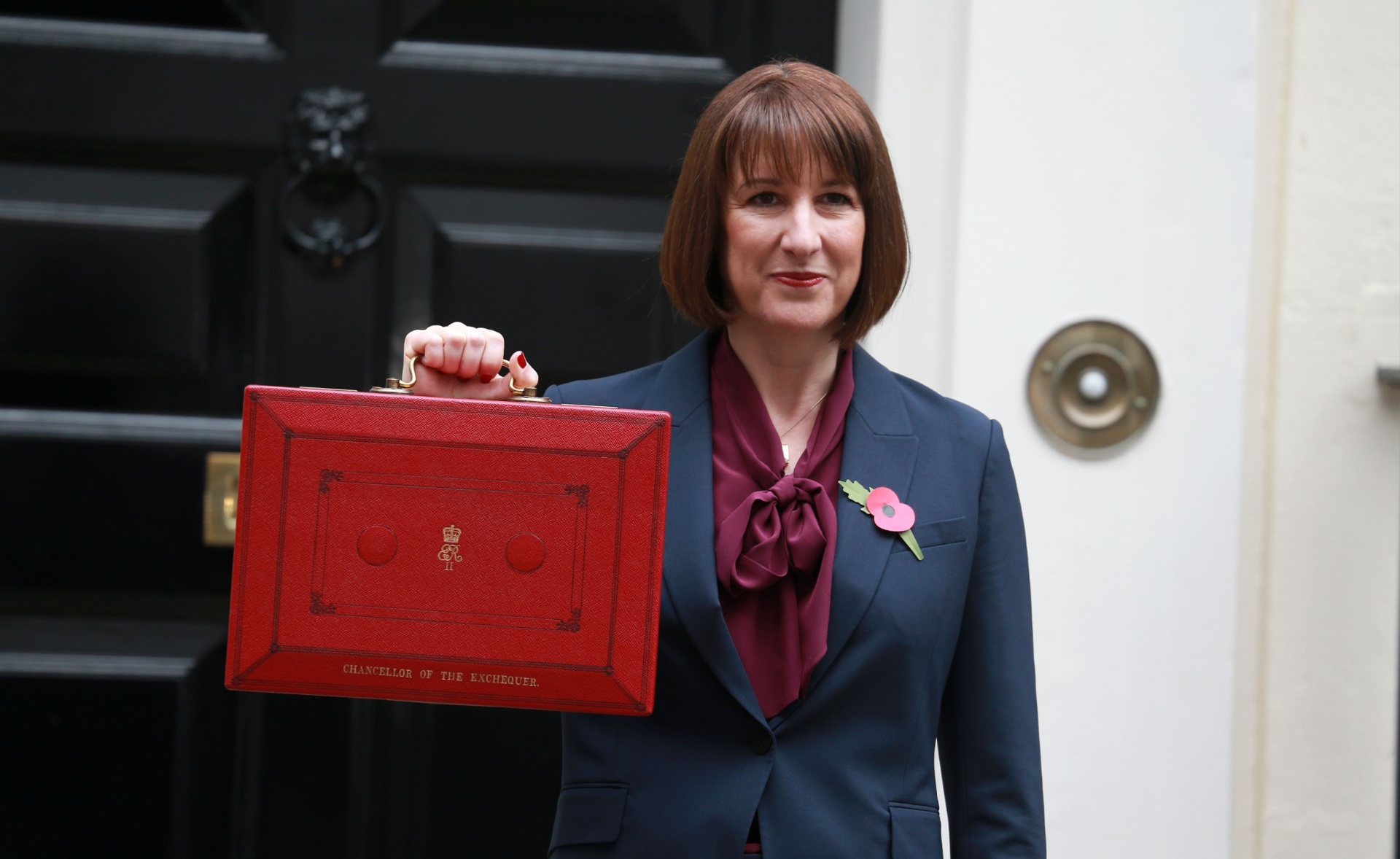
As the Chancellor prepares her budget now due Nov 26th, she is facing strong calls to rethink the structure of the UK’s tax system. The Resolution Foundation has urged Rachel Reeves to cut national insurance while increasing income tax, arguing that such a shift would help protect workers’ pay and create a fairer system overall. A 2p cut to national insurance matched by a 2p rise in income tax would, in their words, “level the playing field on tax.”
The backdrop to these recommendations is a fiscal shortfall that could reach £20 billion by 2029/30, with some forecasts going as high as £51 billion. With borrowing costs rising, growth slowing, and new spending pressures emerging, the thinktank argues the Chancellor needs to send a decisive signal that she is prepared to take tough choices. The OECD has also warned that higher taxes and spending cuts risk weighing heavily on UK output next year.
Beyond the headline proposal, the Resolution Foundation has laid out a range of options: gradually lowering the VAT threshold from £90,000 to £30,000, raising dividend taxes, tightening corporation tax collection, applying carbon charges to long-haul transport, and even expanding sugar and salt levies. Collectively, these measures could generate billions in extra revenue by the end of the decade.
But Reeves faces political constraints, not least Labour’s manifesto promise not to raise income tax, national insurance, or VAT. Business groups are also lobbying hard for relief in other areas, such as alcohol duty, with industry bodies warning of further strain if current rates rise. As Adam Corlett, the thinktank’s principal economist, explained: “Policy U-turns, higher borrowing costs and lower productivity growth mean that the chancellor will need to act to avoid borrowing costs rising even further this autumn. Significant tax rises will be needed for the chancellor to send a clear signal that the UK's public finances are under control.”
US economy rebounds but hiring slowdown looms
Across the Atlantic, the US economy has delivered an unexpected burst of strength. Revised government data shows GDP grew at an annualised 3.8% between April and June, far above the 3.3% initially reported. That sharp rebound followed a rare contraction in the first quarter, when businesses frontloaded imports to avoid tariffs from Donald Trump’s trade wars. With imports falling at a staggering 29.3% pace in the second quarter, GDP was boosted by more than five percentage points.
Consumer spending also played its part, rising at 2.5% compared with just 0.6% earlier in the year. Yet beneath the headline growth figure, economists remain wary. Tariffs have raised costs for importers and created uncertainty for businesses, while the unpredictable pattern of announcements and reversals has left many firms cautious about hiring or long-term planning.
That uncertainty is already showing in the jobs market. From 2021 to 2023, US employers added around 400,000 jobs a month as the economy bounced back from the pandemic. But Labor Department revisions now show that nearly one million fewer jobs were created in the year to March than initially thought. Since then, monthly job gains have slowed to barely 53,000. September’s report is expected to show just 43,000 new positions, even as unemployment stays low at 4.3%.
The Federal Reserve has already responded by cutting interest rates for the first time since 2023, aiming to give the labour market some breathing space. But forecasts suggest growth could slow sharply to just 1.5% in the third quarter. As one analyst noted, “The unpredictable way that Trump has imposed tariffs — announcing and suspending them, then coming up with new ones — has left businesses bewildered, contributing to a sharp deceleration in hiring.”
Inheritance tax burden keeps rising
Inheritance tax (IHT) continues to live up to its reputation as one of Britain’s most unpopular levies, with HMRC collecting £3.7 billion in just the first five months of the current financial year. That’s 5.7% more than the same period last year, and the Office for Budget Responsibility expects a record £9.1 billion for the year as a whole. Looking further ahead, receipts could climb above £14 billion by 2029-30.
At the heart of this surge is, of course, fiscal drag. The £325,000 nil-rate band has been frozen since 2009, and with property values continuing to rise, particularly in the south, more families are being pulled into the IHT net. An additional £175,000 allowance for passing on property to direct descendants helps, but thresholds will remain frozen until 2030, compounding the effect.
Other changes are planned to tighten the regime further. From 2027, unused pension pots will be subject to IHT for the first time, disrupting retirement planning for many. Meanwhile, reliefs on agricultural and business property will be capped at £1 million per person, a move that will hit family-owned farms and smaller enterprises especially.
One in twenty estates currently pays IHT, but that proportion is expected to rise sharply as these measures take effect. Nicholas Hyett of Wealth Club described the levy as a “cash cow for HMRC” and cautioned that more tinkering with gifting rules could be announced in the autumn Budget.
As Ian Dyall of Evelyn Partners put it, the issue goes beyond tax alone: “The rise in receipts is not just a fiscal story, it's a wake-up call. Many households are sleepwalking into substantial tax bills. But families should also remember that estate planning is not just about tax efficiency, it's about ensuring that wealth is passed on in a way that meets the family's objectives and avoids unnecessary financial stress for beneficiaries, while in some cases preserving business continuity.”
Weekly Briefing: SMEs Hold Back £60bn Investment, Reeves Faces Tax Reform Pressure, US Growth Masks Hiring Slowdown & Inheritance Tax Hits Record Highs
With small business confidence slipping and investment plans on hold, this week’s briefing highlights the tension between potential and hesitation in some areas of the UK economy. Barclays’ analysis shows SMEs could unlock up to £60 billion a year if they invested at the same pace as larger firms, but uncertainty over costs, taxes, and policy direction has left many wary of the push for growth. That lack of confidence is not simply about today’s balance sheets, but about trust in the long-term rules.
Across the Atlantic, the US economy’s growth rebound masks a sharp slowdown in hiring, but still yields a positive sign.
Attention continues to be focused around the Chancellor’s Budget on November 26th, where clear signals on tax and business policy will be essential if the government hopes to unlock and restore confidence.