%20(3)%20(2).jpg)


Weekly Briefing: National Wealth Fund Doubts, ISA Reform Consequences, Retail Recovery & Taxpayer Divide
In this week’s briefing, we’re unpacking a series of stories focused on the UK - from the challenges facing public investment and savings policy to shifting consumer trends and the evolving tax landscape.
We start with renewed scrutiny of the National Wealth Fund, which has come under fire for its limited scale and overlap among the UK’s many investment schemes. Then we turn to rumours of ISA reforms ahead of the Budget, where potential cuts to the cash ISA allowance could have far-reaching consequences for savers, lenders, and the wider housing market. Meanwhile, retail sales data suggest a slow but steady return of consumer confidence, with households showing more willingness to spend after years of financial restraint. Finally, new HMRC figures highlight the growing concentration of the UK’s tax burden among the wealthiest individuals.
Read on for the full breakdown.
National Wealth Fund faces doubts over scale and impact
The Treasury Select Committee has warned that the National Wealth Fund, launched by the Chancellor last year to “rebuild Britain and make every part of the country better off,” may be too small to achieve it’s ambitions. While MPs acknowledged that it could succeed in supporting individual sectors - particularly clean energy - they said its overall impact on growth was likely to be limited.
The NWF’s predecessor, the Green Investment Bank, proved successful in stimulating offshore wind investment, but the committee cautioned that replicating that success on a national scale would be challenging given the fund’s current size and structure.
The report highlighted another problem: fragmentation. There are now dozens of overlapping support schemes for private investment, leaving firms uncertain about where to turn. Siemens reported that companies in offshore wind alone face 23 different funding routes. Former NWF chief John Flint said the situation is “getting worse, not better” and urged the government to consolidate these schemes to avoid duplication and confusion.
One solution proposed by MPs is to merge the British Business Bank with the NWF, creating a single, streamlined vehicle to deliver public investment and attract private capital. Without this, they warned, both institutions risk “wasteful duplication.” They also noted that, unlike true sovereign wealth funds - such as Norway’s, which is financed by oil and gas profits - the UK’s version is funded through government borrowing, raising concerns about sustainability and the misleading use of the term “wealth fund.”
Despite these concerns, the committee didn’t dismiss the idea entirely. They called on the Chancellor to ensure the fund takes calculated risks to prove its worth. Dame Meg Hillier, who chairs the committee, said: “The National Wealth Fund has the potential to make a positive contribution to certain sectors and the economy more widely. But for it to do so, the Government must accept and encourage the Fund to take risks, even though that might lead to individual projects failing. The NWF must be bold and take on riskier investments which open the door for the private sector to get involved.”
Rumoured ISA reforms risk unintended consequences
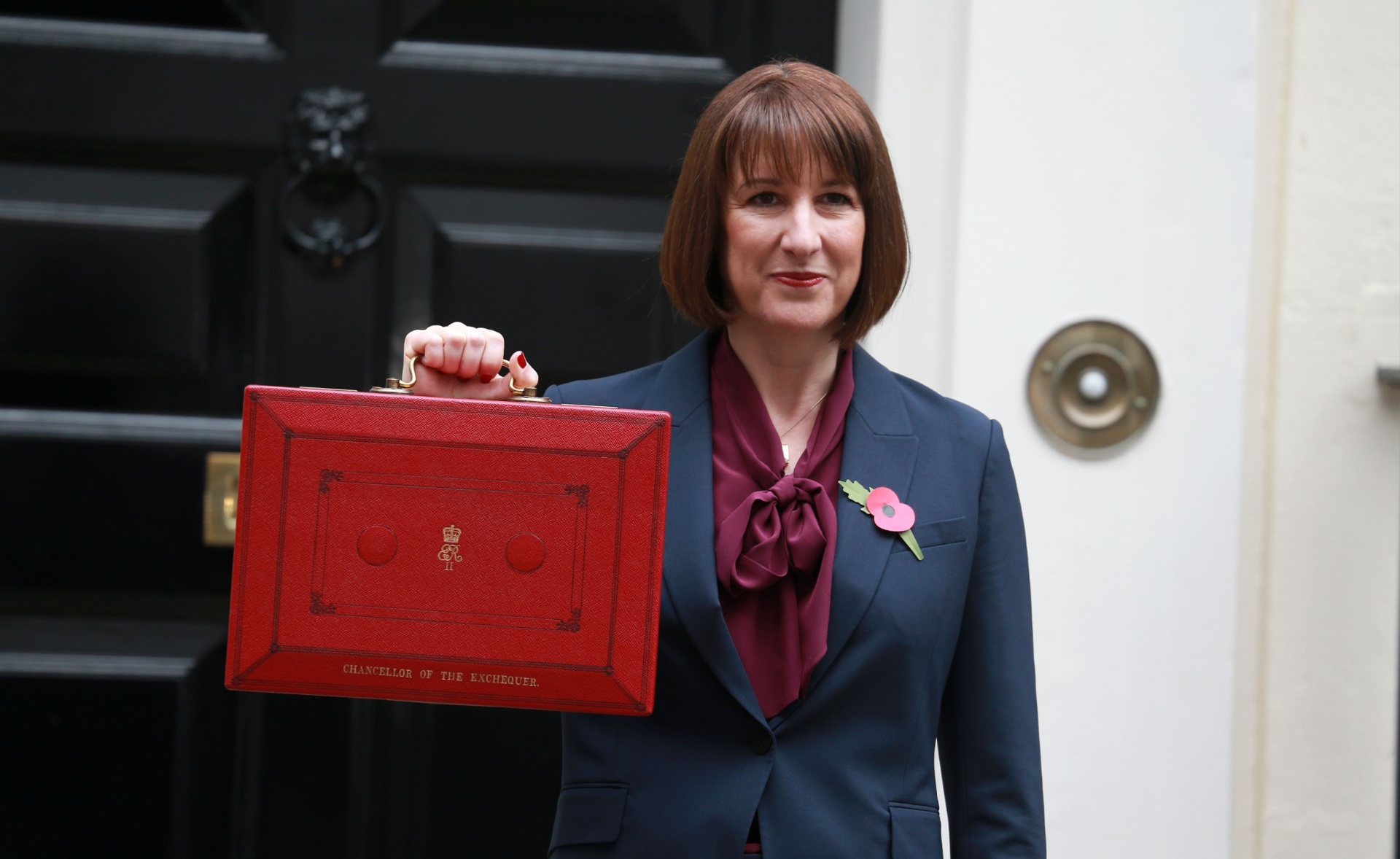
Ahead of the autumn budget, rumours have resurfaced that Chancellor Rachel Reeves may cut the annual tax-free allowance for cash ISAs from £20,000 to £10,000. The idea, reportedly revived to encourage more investment in UK equities, has drawn sharp criticism from MPs and industry leaders. The Treasury Select Committee warned that such a move would fail to change saver behaviour and could even backfire by reducing competition in mortgage markets, as building societies rely heavily on cash ISA deposits to fund lending.
Data from the Building Societies Association (BSA) shows that nearly two-fifths - around 39% - of the sector’s £485 billion in mortgage lending is underpinned by £190 billion of ISA deposits. If the allowance were cut to £10,000, the BSA estimates that mortgage supply could fall by up to 5%, equivalent to 17,000 fewer mortgages. In a more extreme case, with savers redirecting funds away from ISAs, the figure could rise to 60,000. The association warned that this drop in lending could shrink GDP by £7 billion over five years and reduce tax revenues by £2.5 billion.
Critics also point out that the government’s broader aim, to encourage more people to invest, is unlikely to succeed through this route.
A Finder survey found that only 20% of Brits would move their money into stocks and shares ISAs if the cash ISA allowance were reduced. Most said they would either keep their savings in standard accounts or spend the money instead. The main reason, according to Finder’s investing expert George Sweeney, is that many people “don’t feel confident enough about investing.”
Reeves has said she recognises the need to “get the balance right” between savings and investment incentives, but industry figures remain sceptical. Tom Selby of AJ Bell said mandating UK stock allocations within ISAs “would be hugely complicated, hike costs for investors and deliver no obvious benefit to anyone.” As Sweeney put it, “Unfortunately, tinkering with the ISA allowance isn’t going to lead to the cultural and behavioural change necessary that would lead to more Brits investing. Instead, we need better financial education for adults and the younger generation about the possible long-term benefits of investing.”
Retail recovery hints at renewed consumer confidence
UK retail sales rose 0.5% in September, defying expectations of a fall and marking the second consecutive month of growth. Annual sales were up 1.5%, suggesting that consumers are regaining some spending power after a long period of cost-of-living pressures. The strength was broad-based but particularly notable in discretionary categories, where households appear increasingly comfortable making non-essential purchases. This may reflect the recent shift in the balance between wages and inflation - an improvement that’s feeding through to retail behaviour.
Clothing and footwear sales have been especially resilient, rising 4.4% in the third quarter. Although growth slowed slightly in September, the overall picture remains strong. Non-food stores saw a 0.9% monthly rise, driven by technology and telecoms retailers, while food sales remained subdued as shoppers continued to hunt for value. The divide between these categories suggests consumers are being more selective, cutting back on essentials but rewarding themselves with occasional discretionary buys.
Online shopping continues to be a defining feature of the post-pandemic retail landscape. September marked the eighth straight monthly increase in online sales, up 3.5% quarter-on-quarter and 5% year-on-year. The growth has been especially noticeable among online jewellers, benefiting from rising interest in gold as both a luxury purchase and a hedge against inflation.
Retailers are still learning how to balance their digital operations with physical stores, but those who adapt best stand to capture market share as spending patterns evolve.
There are early signs of improving consumer sentiment behind these trends. GfK’s consumer confidence index rose to -17 in October, up from -20 the month before, with big-ticket purchase intentions at their highest in nearly four years. While confidence remains below pre-pandemic levels, the gradual recovery hints that households are beginning to look beyond immediate financial pressures.
Wealthy taxpayers bear a growing share of the UK’s tax burden
New HMRC data obtained by Wealth Club shows the top 1% of taxpayers now contribute roughly one-third of all income and capital gains tax collected in the UK.
Around 500,000 individuals paid £93.8 billion in 2023/24 - up nearly £4 billion on the previous year - and together accounted for 33% of the £288.5 billion total tax take. The concentration is even starker among the wealthiest 100,000 taxpayers, who contributed nearly £55 billion, representing 19% of the total.
The findings underscore how dependent the government has become on a small group of high-earning individuals. The top 100 taxpayers alone paid £4.1 billion last year, more than the entire NHS capital budget for England. Wealth Club warns that further tax rises on this group could risk driving them abroad, with potentially severe fiscal consequences - an issue being spoken about a lot currently.
This debate ties neatly into the policy challenges discussed earlier: as the government weighs tax reforms and spending initiatives like the National Wealth Fund, it must also maintain confidence among the very investors and entrepreneurs who underpin its revenue base. Higher than average taxes on wealth may provide short-term receipts but could undermine longer-term growth if they prompt capital flight or reduce domestic reinvestment.
As Wealth Club’s founder Alex Davies put it: “A very small group of individuals is responsible for a disproportionately large share of the nation’s tax revenue. If just a handful of these wealth creators were to leave, the fiscal impact would be both immediate and severe. Rather than penalising success, we should be creating a stable and attractive environment where entrepreneurs and wealth generators choose to remain, invest, and contribute to the nation’s long-term success.”
Final Note
Our focus this week remained firmly on the UK, with plenty of interesting stories to cover. What stood out most to me was the fragmented nature of the investment schemes currently available. After looking into this, it seems clear that combining a few of these schemes could help significantly in reducing costs and streamlining projects - ultimately, leading to a more efficient system and stronger growth.
Without placing too much emphasis on the upcoming Budget, it’s worth noting that Cash ISAs appear to be a key focus for the Treasury, having been mentioned several times recently. If you’ve been considering exploring investment options, we recently put together an in-depth piece examining what we believe could be some of the best high-return investments available to UK individuals.